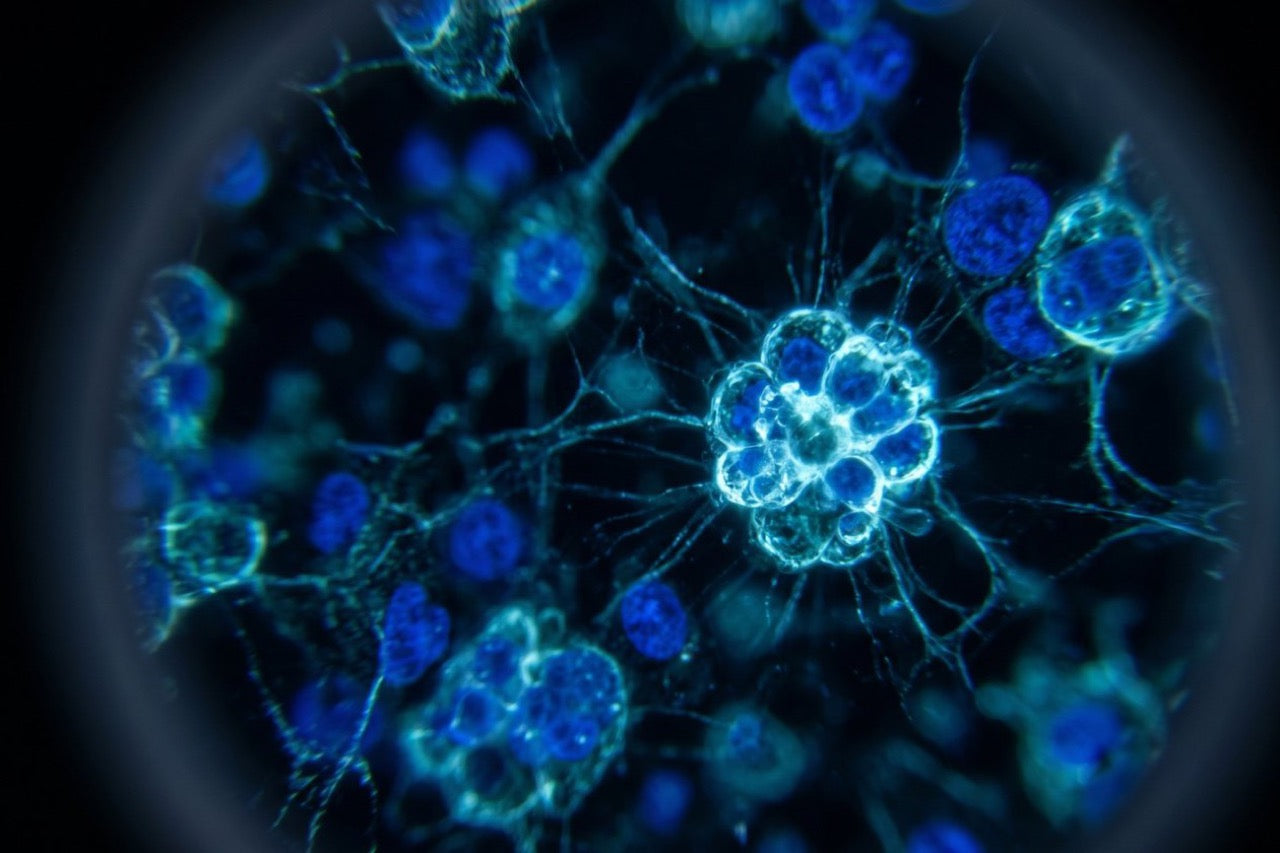
In the dynamic landscape of peptide research, certain molecules stand out for their multifaceted biological activities. Among these, LL-37, the sole known human cathelicidin, has garnered significant attention. This peptide, a crucial component of our innate immune system, plays a pivotal role in defending the body against a wide array of pathogens while also modulating immune responses. This article delves into the intricate world of LL-37, exploring its antimicrobial mechanisms, immunomodulatory properties, and its burgeoning research applications in areas such as wound healing and antibiotic resistance. We will also discuss important considerations for research protocols and its safety profile, providing a comprehensive overview for researchers and enthusiasts alike.
What Is LL-37?
LL-37 is the only known human cathelicidin, a family of antimicrobial peptides found across various species. It is a 37-amino acid cationic peptide, meaning it carries a positive charge, which is crucial for its biological activity. This peptide is derived from the C-terminus of the human cathelicidin protein hCAP18 (also known as cathelicidin antimicrobial peptide 18). LL-37 is widely expressed throughout the human body, notably in neutrophils, epithelial cells lining various tissues (such as the skin, respiratory tract, and gastrointestinal tract), and macrophages. Its presence in these diverse cell types underscores its importance as a fundamental component of the innate immune system's first line of defence against invading microorganisms.
Antimicrobial Mechanism
The primary antimicrobial mechanism of LL-37 involves the disruption of bacterial membranes. As a cationic peptide, LL-37 is electrostatically attracted to the negatively charged bacterial cell membranes. This interaction leads to the insertion of the peptide into the membrane, causing pore formation and subsequent membrane depolarisation, ultimately resulting in bacterial cell lysis and death. This mechanism is highly effective and, crucially, makes it difficult for bacteria to develop resistance. Unlike conventional antibiotics that often target specific metabolic pathways or enzymes, membrane disruption is a more fundamental attack, requiring significant evolutionary changes for bacteria to overcome. LL-37 exhibits a broad-spectrum activity, proving effective against both gram-positive and gram-negative bacteria, as well as fungi and some enveloped viruses, highlighting its versatile role in host defence.
Immunomodulatory Properties
Beyond its direct antimicrobial actions, LL-37 possesses remarkable immunomodulatory properties, demonstrating its capacity to fine-tune the host immune response. It can both stimulate and resolve inflammation, acting as a crucial mediator in maintaining immune homeostasis. For instance, LL-37 can attract immune cells to sites of infection or injury, enhancing the clearance of pathogens and cellular debris. Concurrently, it can also dampen excessive inflammatory responses, preventing tissue damage. Research indicates its role in promoting wound healing by accelerating re-epithelialisation and stimulating angiogenesis (the formation of new blood vessels). Furthermore, LL-37 has been shown to activate dendritic cells, key players in initiating adaptive immune responses, and to promote autophagy, a cellular process vital for clearing damaged organelles and intracellular pathogens. These diverse functions underscore LL-37's complex role in immunity and tissue repair.
Wound Healing Research
The potential of LL-37 in wound healing has been a significant area of research. Studies in various wound healing models have consistently demonstrated its ability to accelerate re-epithelialisation, the process by which new epithelial cells migrate to cover the wound surface. Its pro-angiogenic effects are also critical, as adequate blood supply is essential for delivering nutrients and oxygen to the healing tissue. Moreover, LL-37 modulates the inflammatory phase of healing, ensuring that inflammation is controlled and conducive to repair rather than detrimental. Research in chronic wound models, such as diabetic ulcers and pressure sores, where healing is often impaired, suggests that LL-37 or its analogues could offer novel therapeutic strategies. For example, a 2021 study highlighted LL-37's capacity to improve healing outcomes in infected chronic wounds by both killing bacteria and promoting tissue regeneration.
Research in Antibiotic Resistance
The global crisis of antibiotic resistance necessitates the urgent discovery of new antimicrobial agents. LL-37, with its unique membrane-disrupting mechanism, presents itself as a promising template for developing novel antimicrobial strategies. The difficulty for bacteria to develop resistance to membrane disruption makes LL-37 an attractive candidate. Researchers are actively investigating LL-37 and its derivatives, focusing on creating analogues with improved stability, reduced cytotoxicity, and enhanced antimicrobial potency. For instance, modifications to the peptide sequence can increase its resistance to proteolytic degradation, a common challenge for peptide-based therapeutics. This research aims to harness the inherent power of innate immunity to combat drug-resistant pathogens, offering a potential paradigm shift in how we approach bacterial infections. Learn more about immune support peptides like Thymosin Alpha-1 and KPV.
LL-37 and Skin
The skin, as the body's largest organ, relies heavily on its barrier function for protection. LL-37 is abundantly expressed in the skin and plays a vital role in maintaining this barrier and defending against skin pathogens. Research has also implicated LL-37 dysregulation in various dermatological conditions. For example, altered LL-37 expression is observed in rosacea and acne, where it contributes to inflammation and immune responses. In psoriasis, an autoimmune condition characterised by rapid skin cell turnover and inflammation, LL-37 is found in elevated levels and is thought to contribute to the pathogenesis by activating immune cells and promoting inflammatory cascades. Understanding the role of LL-37 in these conditions opens avenues for targeted therapeutic interventions. For more on skin health, consider research into BPC-157.
Research Protocol Considerations
When conducting research with LL-37, several protocol considerations are paramount to ensure accurate and reproducible results. Dosing and administration routes are critical and depend on the specific research objective and model system. Researchers must carefully determine appropriate concentrations, as LL-37's effects can be dose-dependent. Stability is another key factor; LL-37 is sensitive to proteolytic degradation by enzymes commonly found in biological samples and tissues. Strategies to mitigate this, such as using protease inhibitors or developing more stable analogues, are often necessary. It is crucial to remember that LL-37 is for research purposes only, and all experimental designs must adhere to ethical guidelines and regulatory requirements. For general peptide safety information, refer to our Peptide Safety guide, and for preparation, consult the Reconstitution Guide.
Safety Profile
In research settings, LL-37 is generally considered well-tolerated. However, its safety profile is concentration-dependent. At high concentrations, LL-37 can exhibit cytotoxicity to mammalian cells, a characteristic shared by many antimicrobial peptides. This cytotoxicity is typically dose-dependent, meaning higher concentrations lead to greater cellular damage. Therefore, careful titration and optimisation of concentrations are essential in experimental designs to achieve desired therapeutic effects without inducing adverse cellular responses. The research context is always important, and findings from in vitro or animal models may not directly translate to human physiological conditions without further investigation.
Call to Action
Explore the potential of LL-37 and other cutting-edge peptides for your research. Visit our LL-37 product page to learn more and acquire this essential research peptide. Discover our full range of immune support and healing and repair peptides to advance your studies.