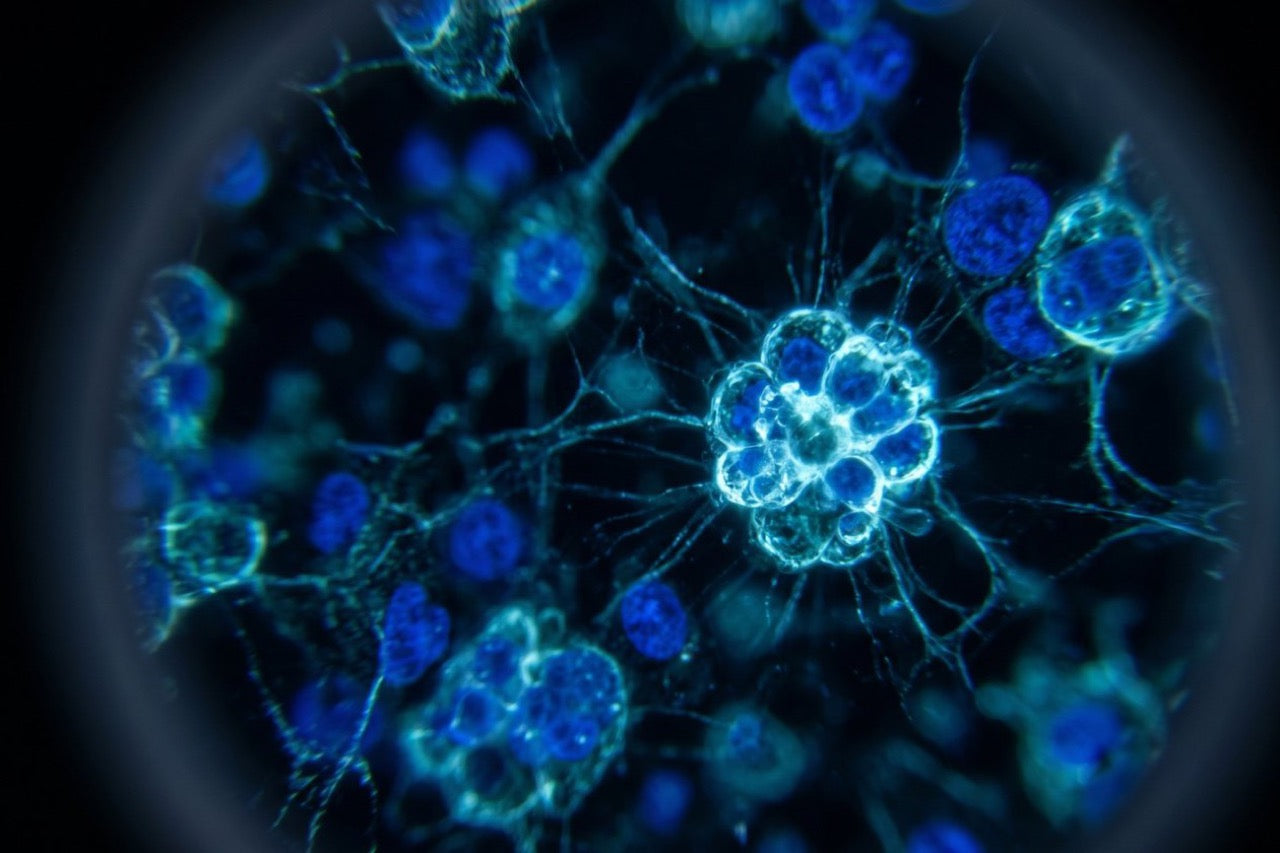
In the evolving landscape of peptide research, scientists are continually exploring novel combinations to enhance therapeutic outcomes. The concept of 'stacking' peptides, where two or more distinct peptides are used in conjunction, is gaining traction due to the potential for synergistic effects. This article delves into the compelling rationale behind combining BPC-157 and TB-500, two potent peptides known for their regenerative properties, and how their complementary mechanisms can lead to superior tissue repair and recovery outcomes in research settings.
Why Stack Peptides?
The strategic combination of peptides, often referred to as 'stacking', is a research protocol designed to leverage the synergistic potential of different compounds. The underlying principle is that when peptides with complementary, rather than overlapping, mechanisms of action are used together, the combined effect can be greater than the sum of their individual parts. This approach allows researchers to target multiple pathways involved in a biological process, such as tissue repair, leading to more comprehensive and efficient outcomes. For instance, one peptide might initiate a repair process, while another optimises the cellular environment for that repair to occur, or mobilises the necessary building blocks from elsewhere in the body. This thoughtful combination can accelerate healing, reduce inflammation, and improve overall recovery in various research models.
BPC-157: The Local Repair Specialist
BPC-157, or Body Protection Compound-157, is a synthetic peptide derived from a naturally occurring gastric protein. It has garnered significant attention in research for its remarkable regenerative and protective properties, particularly at sites of injury. Its mechanism of action is multifaceted, primarily involving the promotion of angiogenesis (the formation of new blood vessels), upregulation of growth factors, and protection of the gastrointestinal tract. BPC-157 has been shown to accelerate wound healing in various tissues, including muscle, tendon, ligament, and bone. It also exhibits anti-inflammatory effects and modulates nitric oxide synthesis, which plays a crucial role in blood flow regulation and tissue repair. Essentially, BPC-157 acts as a local repair specialist, concentrating its powerful regenerative effects directly at the site of damage, facilitating rapid and efficient healing.
TB-500: The Systemic Mobiliser
TB-500 is a synthetic analogue of Thymosin Beta-4 (Tβ4), a naturally occurring protein found in virtually all human and animal cells. Tβ4 is a key regulator of cell migration and differentiation, playing a vital role in tissue repair and regeneration throughout the body. TB-500 exerts its effects primarily through actin sequestration, meaning it binds to G-actin (globular actin) and promotes the polymerisation of F-actin (filamentous actin). This process is crucial for cell motility, enabling cells to migrate to sites of injury. Furthermore, TB-500 upregulates cell surface receptors, enhances angiogenesis systemically, and possesses potent anti-inflammatory properties. Unlike BPC-157, which acts locally, TB-500 functions as a systemic mobiliser, orchestrating cellular responses and promoting repair processes across the entire organism, making it a powerful agent for widespread tissue regeneration and recovery.
How They Complement Each Other
The true power of the BPC-157 and TB-500 stack lies in their complementary mechanisms of action, addressing both the local and systemic aspects of tissue repair. BPC-157 excels as a local repair specialist, driving angiogenesis and growth factor upregulation directly at the injury site. It creates an optimal microenvironment for healing, initiating the repair cascade and protecting the damaged tissue. Concurrently, TB-500 acts as a systemic mobiliser, promoting cell migration and orchestrating cellular responses throughout the body. It mobilises stem cells and other reparative cells, guiding them towards the injury site where BPC-157 is actively working. Together, BPC-157 lays the groundwork for local repair, while TB-500 ensures that the necessary cellular resources are efficiently delivered to facilitate comprehensive and accelerated tissue regeneration. This dual approach maximises the body's natural healing capabilities, making the combination particularly effective in complex or widespread injuries.
Research Evidence for the Combination
While both BPC-157 and TB-500 have been extensively studied individually for their regenerative properties, direct pre-clinical studies specifically investigating the combined use of these two peptides are more limited. However, the rationale for their combination is strongly supported by their distinct yet complementary mechanisms of action, as observed in numerous independent research findings. Many researchers have adopted this stack based on the mechanistic understanding that BPC-157 provides localised healing and protection, while TB-500 offers systemic cellular mobilisation and anti-inflammatory benefits. Anecdotal evidence from research communities and observations in various animal models suggest enhanced recovery and superior outcomes when these peptides are used together, particularly in cases involving significant tissue damage or systemic inflammatory responses. Further dedicated research into the BPC-157 and TB-500 stack is ongoing to fully elucidate the extent of their synergistic potential.
The GLOW and KLOW Blends
Recognising the growing interest in synergistic peptide combinations, Pepnerd offers convenient, pre-formulated blends for research purposes. Our BPC-157 + TB-500 Blend provides a straightforward option for researchers focusing solely on these two powerful peptides. For those exploring broader regenerative and protective effects, we also offer advanced formulations such as the GLOW Blend and the KLOW Blend. The GLOW Blend combines BPC-157 and TB-500 with GHK-Cu, a peptide known for its skin regeneration and anti-inflammatory properties. The KLOW Blend further expands on this by adding KPV, an anti-inflammatory and antimicrobial peptide. These blends are designed to simplify research protocols and offer comprehensive solutions for various investigative needs, always maintaining the highest standards of purity and quality.
Research Protocol Considerations
When incorporating the BPC-157 and TB-500 stack into research protocols, several considerations are paramount to ensure accurate and reproducible results. Typical dosing ratios observed in research often involve a balanced approach, with both peptides administered in concentrations that reflect their individual potencies and desired effects. For example, a common research protocol might involve daily administration of BPC-157 at a specific dosage, complemented by less frequent (e.g., twice weekly) administration of TB-500. The administration route is typically subcutaneous, allowing for efficient absorption and systemic distribution. It is crucial to remember that all products supplied by Pepnerd are strictly for research purposes only and are not intended for human consumption. Researchers should always adhere to ethical guidelines and maintain meticulous records of their protocols, dosages, and observations. For detailed guidance on preparation and handling, please refer to our Reconstitution Guide and Peptide Safety information.
Explore Pepnerd's Research Peptides
At Pepnerd, we are committed to supporting cutting-edge peptide research by providing high-quality, research-grade peptides. Whether you are investigating the localised healing potential of BPC-157, the systemic regenerative effects of TB-500, or the synergistic benefits of their combination, our extensive range of products is designed to meet your needs. Explore our Healing & Repair collection for more options, or utilise our Stack Builder to customise your research protocols. For further insights into peptide science, visit our BPC-157 Guide and the broader Learn blog section. Empower your research with Pepnerd.